Restrictions You Must Follow
Blood donors must meet age, weight, and health criteria. Restrictions include recent surgeries, infections, and certain medications or vaccines, which may require a waiting period.

Age and Previous Donations
Blood donation is a generous act that can save lives. However, to ensure the safety of both donors and recipients, certain eligibility criteria must be met. Individuals typically need to be between 18 and 60 years old to donate blood. The minimum age might vary in some states and blood banks.
Another important criterion is the interval between successive blood donations. This interval can vary but is typically around 56 days for whole blood donations. This waiting period helps ensure that donors have enough time to replenish their blood supply before donating again.

Weight and Health
Weight is an important factor in determining eligibility for blood donation. You should weigh at least 50 kg to be eligible. This ensures that the donation process is safe for donors and that they can donate a sufficient amount of blood.
Another important criterion is the interval between successive blood donations, typically around 56 days for whole blood donations. This waiting period helps ensure that donors have enough time to replenish their blood supply before donating again.

Medications
Certain medications can temporarily restrict eligibility for blood donation to protect both the donor and the recipient. These medications include antibiotics (for active infections), blood thinners (which can affect clotting), and immunosuppressive drugs (which may pose risks to recipients).
Donors should disclose any medications they are taking during the pre-donation screening process. It is important to consult healthcare professionals or donation centers about eligibility criteria and any deferral periods to ensure the safety of all involved.

Pregnancy and Breastfeeding
Pregnant women cannot donate blood because they have increased nutritional needs. Breastfeeding women should wait until their child is at least six months old and they feel their nutritional reserves are adequate.
Consult with healthcare professionals to determine when it is safe to donate blood after pregnancy or breastfeeding. Ensuring the donor's health is a priority to avoid complications.
Hemoglobin Level
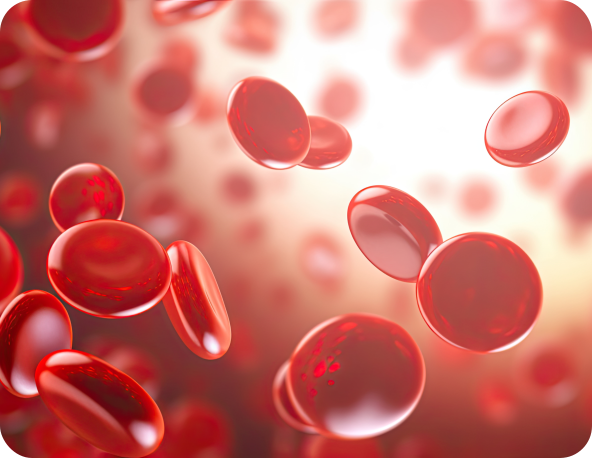
Hemoglobin is essential for transporting oxygen in the blood. The hemoglobin level in your blood must meet the minimum requirement to donate blood. For men, this is typically 13 g/dL, and for women, it’s 12.5 g/dL.
If your hemoglobin levels are low, you may need to wait until they return to the acceptable range. Eating iron-rich foods and consulting healthcare professionals can help maintain healthy hemoglobin levels.

Infections and Vaccinations
Infections can delay or disqualify a person from donating blood, especially if the donor is actively sick or undergoing treatment. Certain vaccinations also require waiting periods after administration before blood can be donated.
For example, people who have received the yellow fever vaccination need to wait a certain period before donating blood. Similarly, if someone is recovering from an infection, they need to wait until they are fully recovered and meet the criteria.